
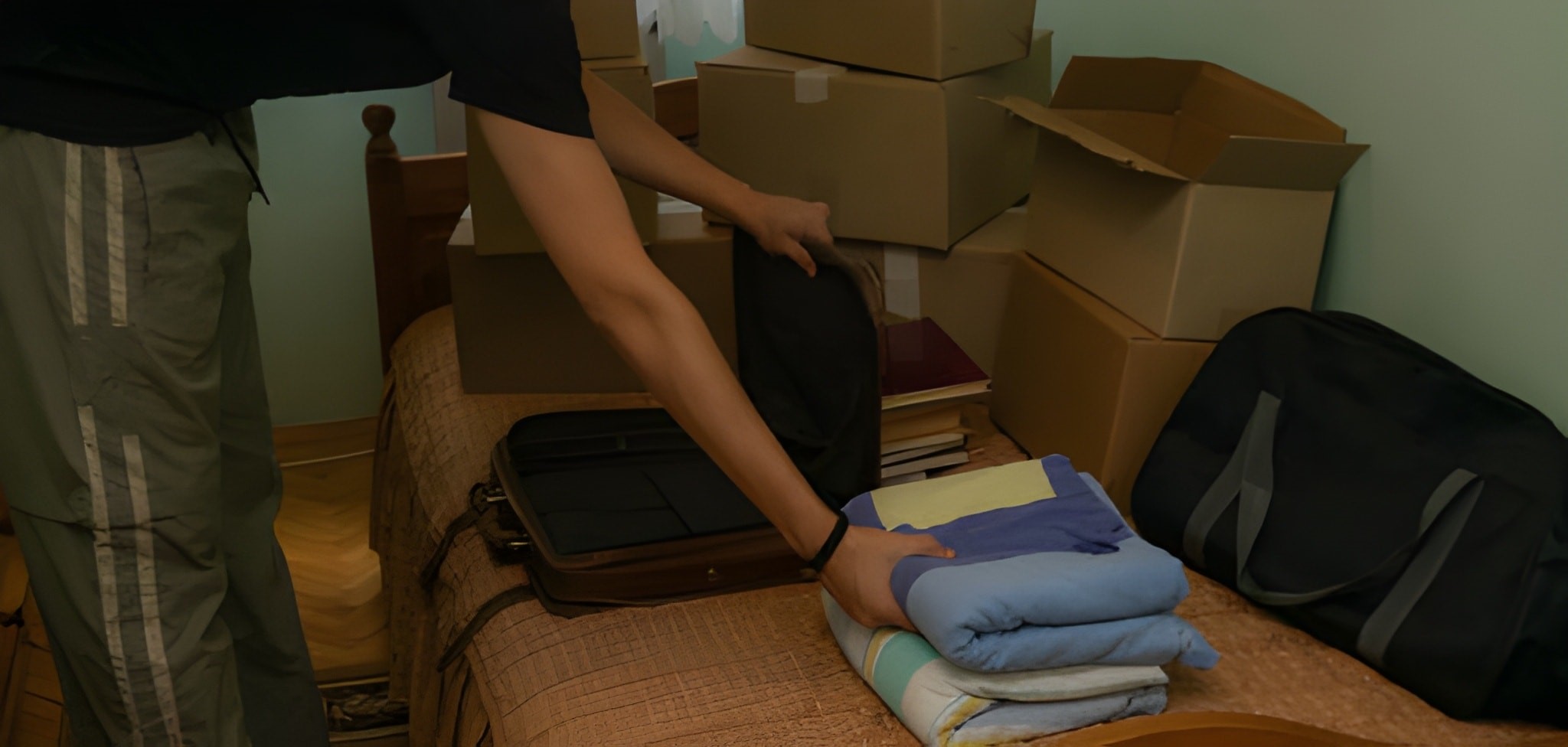
Packing for long-term storage is essential when you want to keep your belongings protected from moisture, dust, pests, and physical damage over an extended period. Whether you are moving, downsizing, traveling, or storing seasonal items, understanding proper packing methods ensures your valuables remain safe and in excellent condition. Many people assume long-term storage only requires placing items in boxes, but poor packing techniques can cause mold, breakage, fading, warping, and expensive loss. In this guide, you will learn long-term storage tips, how to choose the best storage containers, and steps to prevent mold in storage units so your belongings remain protected for months or years. For homeowners and students seeking reliable packing guidance or professional support, Restorify Moving provides expert storage assistance and packing services designed to protect your items for extended periods.
What Does Long-Term Storage Mean?
Long-term storage usually refers to storing items for three months or more. During this period, belongings face risks such as humidity, temperature changes, insects, dust, and compression damage.
Common situations that require long-term storage include:
- Moving or relocating
- Storing seasonal items such as holiday décor or winter clothing
- Students storing belongings during summer breaks
- Military deployment
- Business inventory storage
- Downsizing or clearing space during a renovation
Because items remain untouched for long periods, packing for long-term storage must focus on durability, safety, and protection.
How to Prepare Items Before Packing
Clean and Dry Everything Thoroughly
Cleaning is one of the most important steps when packing for long-term storage. Dirt, grease, and organic residue attract pests and create odors. Moisture causes mold and mildew.
Before storing:
- Wipe wood furniture with a gentle cleaner
- Wash and dry clothing completely
- Clean appliances such as refrigerators and microwaves
- Remove food crumbs from kitchen items
- Allow everything to dry fully before packing
Moisture is the top threat to stored items. If it is trapped inside containers, mold and mildew can form.
Disassemble Large Items
Disassembling furniture helps prevent stress cracks and saves space. Items like beds, tables, and shelves can be stored efficiently when disassembled.
Tips:
- Remove legs from tables and sofas
- Wrap each piece with protective padding
- Place screws and small hardware in labeled bags and tape them to the furniture piece
This keeps everything organized and easy to reassemble later.
Take Inventory and Label Items
Keeping a record of stored items helps with organization and reduces stress when retrieving belongings later.
Use:
- A written list
- A spreadsheet
- A storage app
Label each container with its contents and category. For example:
Kitchen: Glassware
Bedroom: Winter clothing
This makes it easy to locate items without opening every box.
Best Storage Containers for Long-Term Packing
Plastic Bins vs Cardboard Boxes
Choosing the best storage containers is important. For long-term storage, plastic bins are often better than cardboard because they resist moisture and pests.
Plastic bins are ideal for:
- Clothes
- Electronics
- Books
- Sentimental items
Cardboard boxes can be used for:
- Lightweight items
- Shorter storage durations
- Items stored in climate controlled storage facilities
If cardboard must be used, choose high quality boxes and avoid used containers that might carry moisture or bacteria.
Specialty Containers for Sensitive Items
Some belongings need extra protection.
Recommended storage solutions:
- Vacuum-sealed bags for bulky clothing
- Acid free document boxes for photos and paperwork
- Mattress covers and breathable furniture covers
These reduce damage caused by dust and humidity.
Avoid Improper Storage Materials
Do not pack long-term items in:
- Trash bags
- Weak cardboard
- Containers with odors or stains
These trap moisture or attract pests.
How to Protect Items From Damage
Use Proper Packing Materials
High quality packing materials protect items through months of storage.
Suggested materials include:
- Bubble wrap
- Packing paper
- Cloth covers
- Foam padding
- Moisture absorbers
Avoid newspaper, as ink can transfer onto items.
Wrap Fragile Items Carefully
Glass, ceramic, and delicate items need extra care.
Steps:
- Wrap each piece individually
- Add cushioning inside the box
- Fill empty spaces with padding
- Label as Fragile
This prevents cracks or pressure damage.
Prevent Mold in Storage
Moisture is the main cause of mold in storage units.
To prevent mold:
- Ensure items are completely dry
- Use silica gel packs or moisture absorbers
- Avoid sealing wood furniture in plastic
- Choose climate controlled storage when possible
Climate controlled storage maintains temperature and humidity levels, offering better long-term protection.
According to the Federal Emergency Management Agency (FEMA), humidity below 60 percent helps prevent mold development.
Packing Specific Items for Long-Term Storage
Furniture
- Clean and polish wood
- Disassemble large pieces
- Cover with breathable cloth or moving blankets
- Avoid plastic directly on wood
Appliances
- Clean inside and outside
- Remove water from hoses and tanks
- Leave appliance doors slightly open to prevent odor
- Store cords and accessories securely
Clothing and Fabrics
- Wash everything before storing
- Use vacuum bags for bulky items like blankets
- Store delicate fabrics in breathable garment bags
Moisture trapped in plastic can cause mildew, so do not vacuum seal delicate items like silk or wool long term.
Electronics
- Remove batteries
- Store in original packaging if possible
- Use moisture blockers such as silica gel packs
Electronics are sensitive to temperature swings, so climate controlled storage is recommended.
Documents and Photos
- Store in acid free containers
- Keep away from direct light
- Place upright to prevent bending
Consider digitizing important documents before storage for added security.
Choosing the Right Storage Unit
Climate Controlled Storage Benefits
Climate controlled storage protects sensitive items like electronics, photos, leather, and wood furniture. It prevents issues caused by humidity, mold, and extreme temperatures.
This is especially important in humid or cold regions.
Security Features to Consider
Look for facilities with:
- Surveillance cameras
- Alarm systems
- Gated access
- Insurance options
This ensures belongings remain protected from theft or damage.
Indoor vs Outdoor Storage
Indoor units are usually climate controlled and offer better protection. Outdoor drive up units may be suitable for items like gardening tools or sturdy equipment, but not for delicate valuables.
Tips for Organizing Storage Units
- Store frequently needed items near the front
- Use shelves to prevent stacking damage
- Label all containers on multiple sides
- Leave pathways for ventilation and easy access
- Place breathable materials around wood furniture
Organizing storage units smartly saves time and prevents damage.
Maintenance Tips During Storage
Long-term storage does not mean forgetting about the items entirely.
If possible, visit the unit every few months:
- Check for moisture or pests
- Replace moisture absorbers
- Inspect boxes for collapse or pressure
This ensures problems are caught early.
Common Mistakes to Avoid
- Wrapping wood furniture in plastic
- Storing damp items
- Leaving food items nearby
- Overpacking boxes
- Storing highly sensitive items without climate control
Avoiding these mistakes protects your belongings and reduces repair or replacement costs.
Conclusion
Packing for long-term storage requires careful planning, proper supplies, and the right storage environment. By cleaning items, choosing the best storage containers, preventing mold, and using climate controlled storage when needed, you protect your belongings and preserve their quality. Smart packing and storage practices reduce stress, save money, and ensure that your items remain in excellent condition when you retrieve them.
With the right approach, long-term storage can be simple, safe, and effective. For more guidance on packing, moving, and storage preparation, explore our helpful moving and storage Blogs to stay informed and protect your valuable belongings during long-term storage.
Frequently Asked Questions
1. What are the best containers for long-term storage?
Plastic bins with tight lids are best for most items. Use acid free boxes for documents and vacuum bags for bulky clothing.
2. How do I prevent mold in storage units?
Make sure items are dry, use silica gel packs or moisture absorbers, and choose climate controlled storage.
3. Is climate controlled storage worth it?
Yes, especially for electronics, wood furniture, clothing, photos, and other sensitive belongings.
4. How often should I check stored items?
Check every few months if possible to ensure no moisture or pest issues.
5. Can I store electronics long-term?
Yes, but remove batteries, clean, and store in climate controlled storage with moisture protection.