
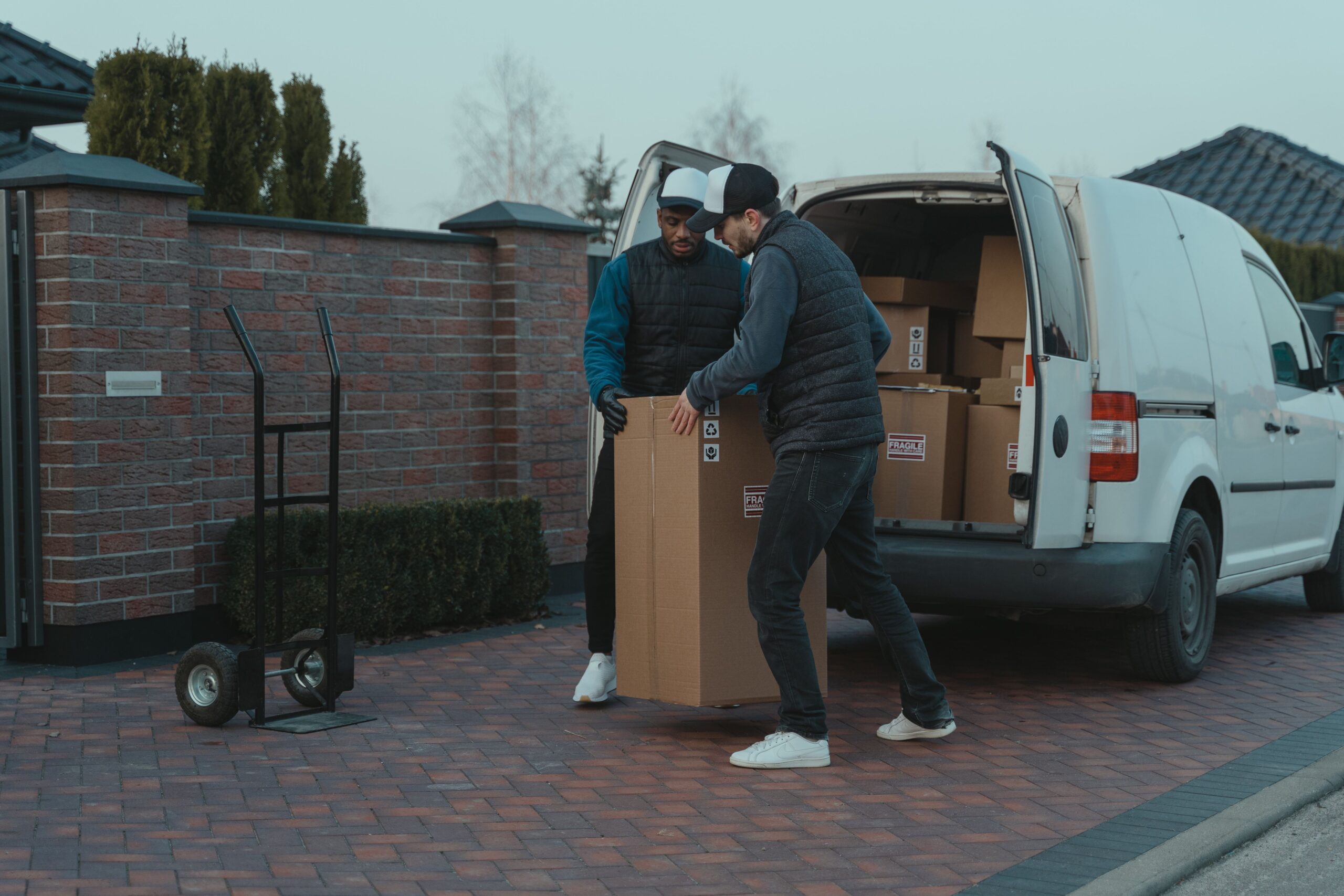
Packing for a move within Arlington requires a strategy tailored to high-density living. Whether you are boxing up a one-bedroom apartment off Clarendon Boulevard, a multi-story townhome near Shirlington, or a historic detached property in North Arlington, packing methodically prevents breakage and accelerates loading.
A high-efficiency pack focuses on structural box integrity, systematic item zoning, and protecting fragile items against bumpy transit along urban thoroughfares. Organizing your packing timeline weeks ahead keeps moving day structured and stress-free.
The Strategic Room-by-Room Packing Schedule
Packing an entire residence all at once leads to exhaustion and disorganized boxes. Spreading the workload across a structured four-week timeline keeps daily living areas functional until the final days before your move.
- Weeks 4 to 3 Before Move Day (Low-Traffic Zones): Begin with storage units, attics, basements, and guest rooms. Pack seasonal apparel, holiday decor, spare linens, and formal chinaware. Use this phase to declutter, donate, or recycle items you no longer need.
- Week 2 Before Move Day (Secondary Living Spaces): Focus on home offices, entertainment libraries, media consoles, art, wall hangings, and decorative accents. Disassemble non-essential furniture and organize secondary electronics.
- Week 1 Before Move Day (Primary Living Areas): Pack casual wardrobes, small kitchen appliances, non-daily cookware, and living room furnishings. Leave out only a single place setting per family member and five to seven days of essential clothing.
- 48 Hours Before Move Day (Kitchen & Bath Essentials): Pack remaining kitchen supplies, pantry staples, and everyday bathroom items. Prepare your primary bedding, clean major appliances, and stage all packed boxes for rapid moving-day removal.
Selecting Professional Supplies Over Repurposed Grocery Boxes
Free, discarded boxes from local grocery or liquor stores may save a few dollars upfront, but they frequently collapse under weight when stacked inside a moving truck. Investing in uniform, commercial-grade corrugated containers protects your belongings and makes loading faster and safer.
- Single-Wall vs. Double-Wall Corrugation: Use standard single-wall boxes for lightweight personal goods and textiles. Reserve heavy-duty double-wall containers for heavy items like culinary cast iron, books, and fragile dishware.
- Specialized Dish Packs (Cell Packs): Invest in partitioned dish-pack barrels with cardboard dividers to isolate porcelain mugs, fine crystal, and delicate glassware from impact shocks.
- Wardrobe Boxes with Hanging Bars: Transport garments directly on hangers to save hours of folding and ironing while keeping clothing clean during building corridor transit.
- Commercial Newsprint Packing Paper: Avoid using printed newspapers to pad fragile goods; newsprint ink easily transfers to porcelain, ceramic, and fabric surfaces, requiring extensive post-move cleaning.
Heavy-Duty Kitchen and Fragile Dishware Packing
The kitchen contains the most breakable and irregularly shaped items in any home. Safely packing fragile dishware requires building a protective shock-absorbing cushion inside every container.
Start by adding a crumpled layer of unprinted packing paper three to four inches thick along the base of each heavy-duty dish pack box.
- Pack Plates Vertically: Never pack dinner plates or ceramic saucers flat on their bases. Wrap each plate individually in packing paper, bundle three to four together in a secondary protective wrap, and pack them vertically on their edges like records in a crate. Edges withstand significantly more vertical impact than flat surfaces.
- Stemware and Glassware Cushioning: Stuff the interior bowl of each glass with crumpled paper to provide internal support. Wrap the stem and outer base securely before placing them upright in partitioned dividers.
- Pots, Pans, and Bakeware: Nest smaller pots inside larger pans with protective sheets of paper or bubble wrap between cooking surfaces. Secure loose glass lids separately in bubble wrap and pack them adjacent to their cookware.
- Small Kitchen Appliances: Empty fluids from espresso machines, blenders, and food processors. Bundle cords securely with twist ties, tape accessories to base units, and fill excess box voids with crumpled paper to prevent internal movement.
Disassembly, Hardware Control, and Electronics Setup
Taking apart bulky furniture and staging home entertainment setups without a system often leads to missing screws, lost cords, and assembly headaches in your new home.
- Photograph Cable Configurations: Before unplugging televisions, audio receivers, gaming consoles, or desktop workstations, take clear photographs of the rear input and output configurations to simplify reassembly.
- The Hardware Bag Technique: When disassembling bed frames, dining tables, desks, or wall mounts, place all matching screws, nuts, bolts, and washers into clear zip-top plastic bags. Label the bag with a permanent marker and tape it securely to the corresponding furniture piece.
- Corner Guards and Edge Protectors: Fit heavy cardboard or foam corner caps onto framed artwork, large mirrors, and wood tabletops before wrapping them in protective moving blankets and stretch wrap.
- Secure Moving Parts: Tape cabinet doors, credenza drawers, and internal refrigerator shelving shut with residue-free painter’s tape or tightly wrapped stretch film to prevent them from swinging open during handling.
Packing Box Weight and Density Optimization
Overloading boxes is one of the most common causes of box failures, dropped items, and physical strain. Balancing package density ensures boxes remain stackable and easy to carry.
| Box Type | Typical Volume | Recommended Maximum Weight | Best Contents for Safe Packing |
|---|---|---|---|
| Small Book Box | 1.5 cu. ft. | 35 – 45 lbs | Books, hand tools, paper files, media, canned goods |
| Medium Multi-Purpose Box | 3.0 cu. ft. | 50 – 55 lbs | Kitchen cookware, small electronics, folded clothes |
| Large Storage Box | 4.5 cu. ft. | 50 – 60 lbs | Bed linens, pillows, blankets, lampshades, plastic toys |
| Dish Pack Barrel | 5.2 cu. ft. | 60 – 70 lbs | Chinaware, ceramic plates, stemware, framed keepsakes |
| Wardrobe Box | 10 – 15 cu. ft. | 80 – 100 lbs | Hanging suits, dresses, heavy coats, drapery |
High-Rise Hallway and Elevator Packing Guidelines
Relocating within Arlington often means coordinating with high-rise apartment and condo building guidelines. Hallway and elevator rules in buildings across Rosslyn, Pentagon City, and Ballston impact how boxes should be staged and handled.
- Stack for Dolly Efficiency: Pack boxes to flat, level tops so moving crews can safely stack three to four containers per two-wheel hand truck, minimizing trips down lengthy corridors.
- Seal and Taper All Flaps: Tape the center seam along the top and bottom of every carton using heavy-duty 2-inch packaging tape. Add two cross-strips over the edges to reinforce structural integrity during transit.
- Label Boxes on Multiple Sides: Mark both the top and at least two vertical sides of every box with its destination room and a brief summary of contents. This allows movers to direct items to the right room without unstacking them.
- Protect Building Walls: Wrap sharp metal furniture edges, headboards, and floor mirrors thoroughly in padded moving blankets to prevent scuffing elevator interiors or hallway drywalls.
Creating an Unpack-First Essentials Container
The final carton you seal should be the first one you open at your new residence. Preparing an accessible essentials container keeps you from digging through sealed boxes late into your first evening.
- Linens and Bedding: Clean bed sheets, pillows, and lightweight blankets for every family member.
- Bathroom Comforts: Toilet paper rolls, hand soap, shampoo, toothbrushes, toothpaste, shower curtain rings, and clean bath towels.
- Basic Tool Kit: Utility knife, flathead and Phillips screwdrivers, adjustable wrench, flashlight, and extra heavy-duty trash bags.
- Cleaning Essentials: Disinfectant surface wipes, paper towels, broom, dustpan, and multi-surface cleaning spray.
- Work & Electronics Gear: Laptop power bricks, mobile phone chargers, portable power banks, and Wi-Fi router power adapters.
Frequently Asked Questions (FAQs)
Make Your Next Move Seamless & Stress-Free
Get your free, no-obligation moving quote today. Fully licensed & insured residential and commercial movers serving Northern Virginia, Washington DC, and the DMV area.