

Packing for a move in Arlington, VA, starts with deciding what you can put away now and what you still need tomorrow. Box up rarely used belongings first, work through each room by category, and keep daily essentials separate. Choose packaging for the item’s weight and fragility, then label each box for its destination.
A short drive doesn’t remove the need for careful packing. Your belongings still pass through doorways, get loaded into a vehicle, and move again at the other end. These room-by-room packing tips help you prepare without losing access to everything you use at home.
1. Build Your Packing Schedule Around Daily Life
Start with a walk through your home. Identify belongings you’re taking, items you can donate, and anything that needs special handling. Sorting before packing prevents you from spending time and materials on things you no longer want.
Use this sequence to keep your home functional:
| Packing stage | What to pack | What to leave accessible |
|---|---|---|
| Start with rarely used belongings | Seasonal decorations, stored books, guest bedding, display pieces | Everyday household items |
| Work through each room | Spare clothes, extra dishes, most toys, nonessential equipment | A small selection for daily use |
| Finish before loading | Remaining kitchenware, bedding, toiletries | Your personal essentials bag |
Set manageable tasks, such as finishing a cabinet or clearing a bookshelf. “Pack the kitchen” can be difficult to fit around work; “pack the serving dishes” has a clear stopping point.
For school arrangements, household paperwork, and other tasks beyond packing, use the moving checklist for Arlington families.
2. Choose Moving Boxes by Weight and Fragility
Large boxes work well for bulky, lightweight belongings. Dense items, including books and dishes, belong in smaller boxes that remain manageable when filled.
Gather sturdy cartons, packing tape, clean packing paper, cushioning materials, markers, and labels. Check reused boxes for weakened corners, moisture damage, and loose seams. A box that has lost its shape may not support another box above it.
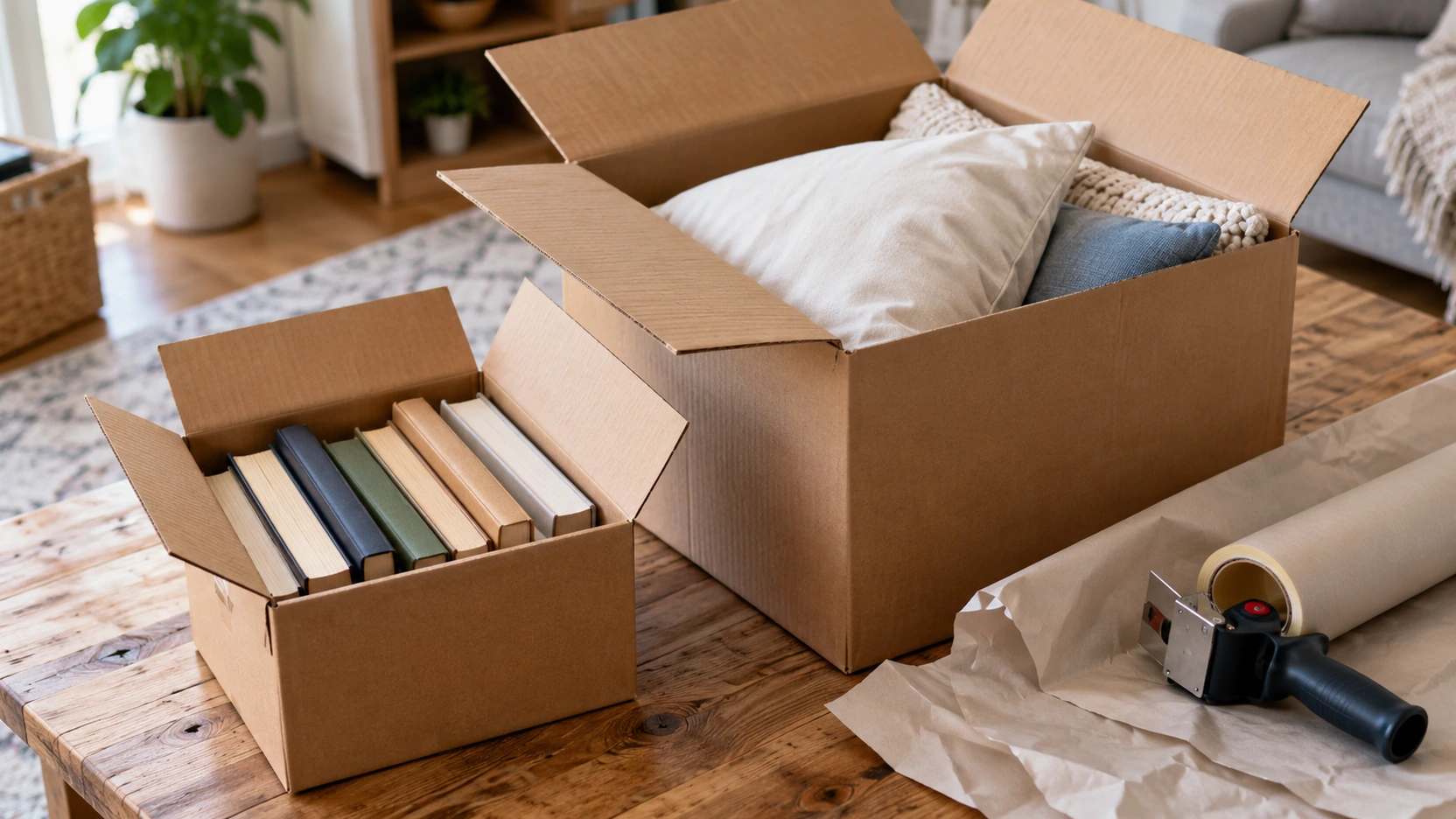
Cushion fragile contents and fill empty spaces without forcing the carton closed. The flaps should meet naturally. If the sides bulge or the base sags, redistribute the contents.
“Fragile” labels help communicate handling needs, but they don’t replace suitable packaging. No packing method eliminates every risk of damage.
3. Pack the Kitchen Without Closing It Too Early
Begin with serving platters, baking equipment, spare mugs, and appliances you rarely use. Keep a small working selection of dishes and utensils until your final meals at home.
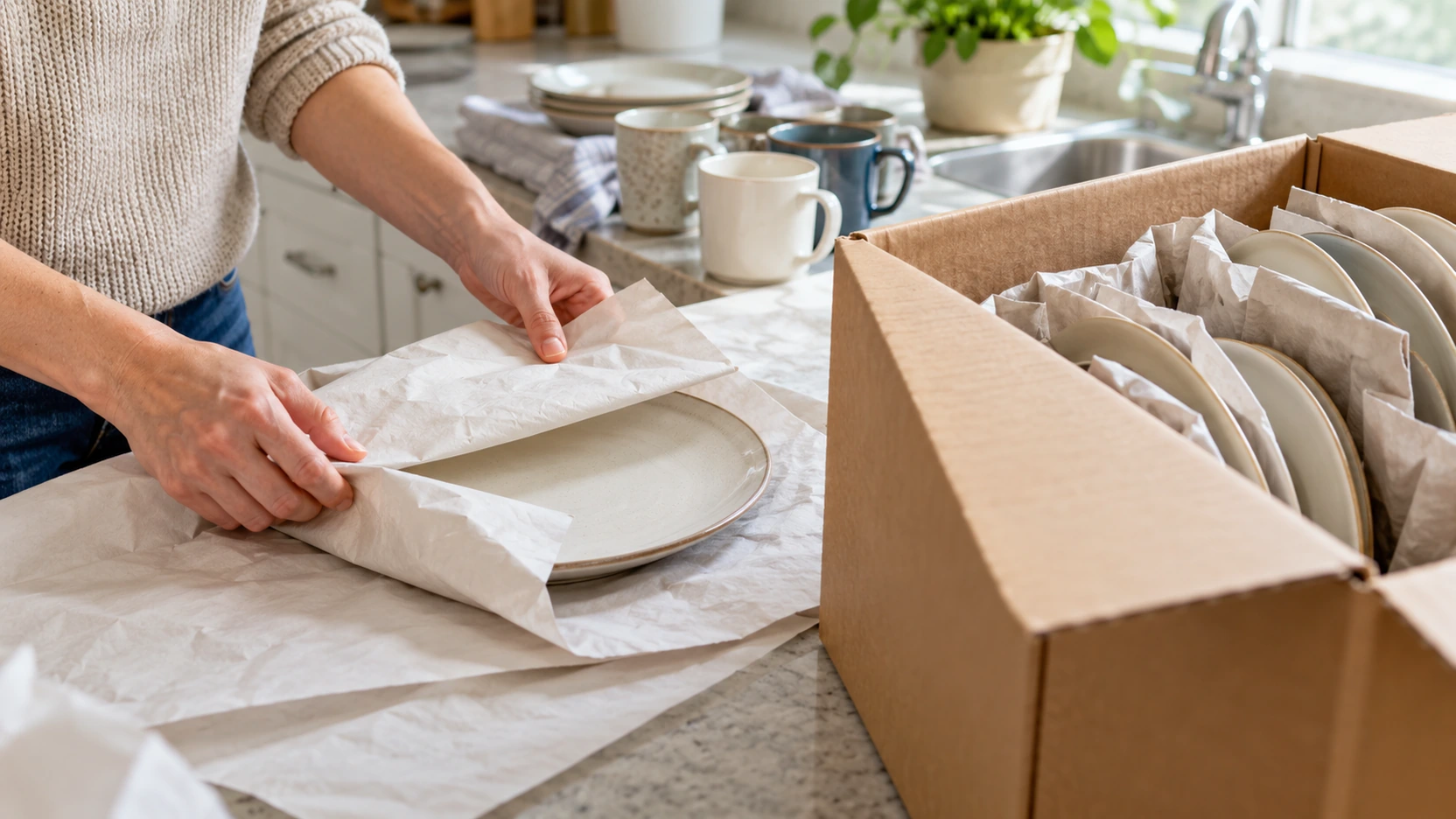
Separate dishes and glassware
Wrap pieces individually so hard surfaces don’t rub together. Place wrapped plates on edge in a suitably cushioned dish carton, and use dividers or appropriate protective packaging for glasses.
Fill gaps so items cannot shift freely. Avoid packing heavy cookware above delicate pieces, even if there appears to be room.
Prepare appliances and pantry items
Clean and dry small appliances before packing. Remove loose accessories and package them alongside the appliance, keeping sharp parts protected.
Keep accepted food items separate from cleaning products. Check lids and seals, and ask your mover about liquids, perishables, and anything that may leak. Follow the manufacturer’s preparation instructions for larger appliances and confirm who handles disconnection.
4. Keep Bedrooms and Clothing Easy to Unpack
Sort clothes before choosing containers. Folded clothing can go into clean boxes or suitcases; hanging garments may suit wardrobe cartons. Avoid overfilling either, particularly when packing shoes or dense winter clothing.
Keep shoes separate from clean fabrics. Pack bedding only when it is dry, and label it by the bedroom where it belongs.
Should clothes stay inside dresser drawers?
Ask your mover before leaving drawers full. The answer depends on the furniture’s construction, weight, condition, and access route. Remove loose valuables, liquids, and breakable items regardless.
If a bed needs disassembly, agree on who will do it. Keep labeled hardware together in a dedicated parts container so it can be found before bedtime.
Prepare a separate bag with clothes, toiletries, and the bedding you’ll need first. That avoids opening several cartons just to make a bed.
5. Give Living Room Items Their Own Packing Plan
Living rooms often combine heavy books, delicate ornaments, large furniture, and awkward lamps. Packing these together because they share a room can create unnecessary problems.
Use smaller cartons for books. Wrap decorative pieces individually and keep them away from dense objects that could press against them.
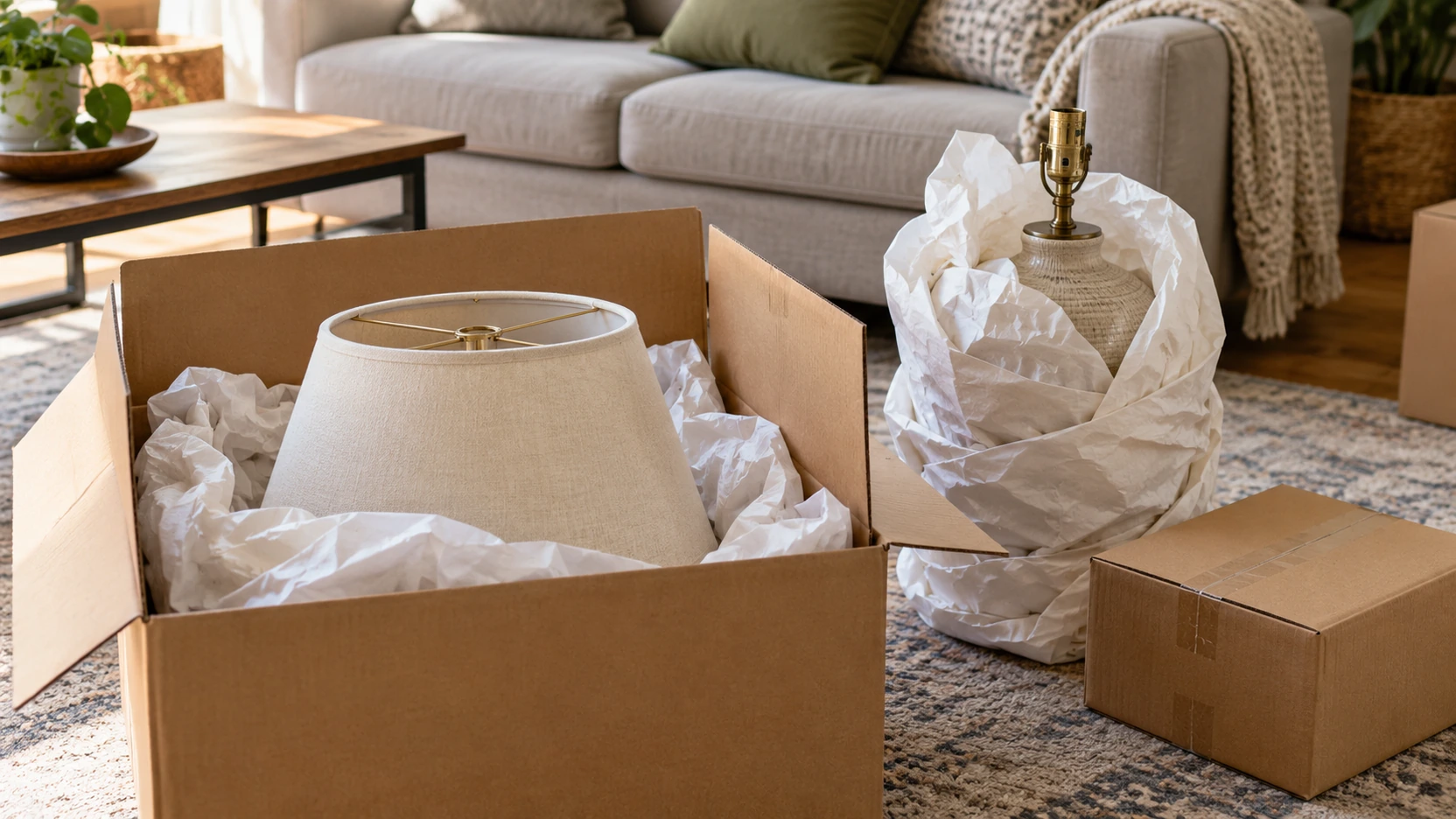
Remove lamp bulbs and shades before packing. Protect shades from crushing and keep them separate from heavy lamp bases.
Mirrors, framed artwork, and glass tabletops need packaging suited to their dimensions and surfaces. Ask about specialist preparation for unusually large, fragile, or valuable pieces before moving day. Avoid applying adhesive tape directly to artwork or furniture finishes.
6. Make Electronics Easier to Reconnect
Before disconnecting a computer or entertainment system, photograph the cable connections. Label each cable by device, then keep accessories together in a clearly marked bag or container.
Back up important files before packing your computer. Original packaging can be useful when the protective inserts are intact; otherwise, choose packaging designed for the equipment.
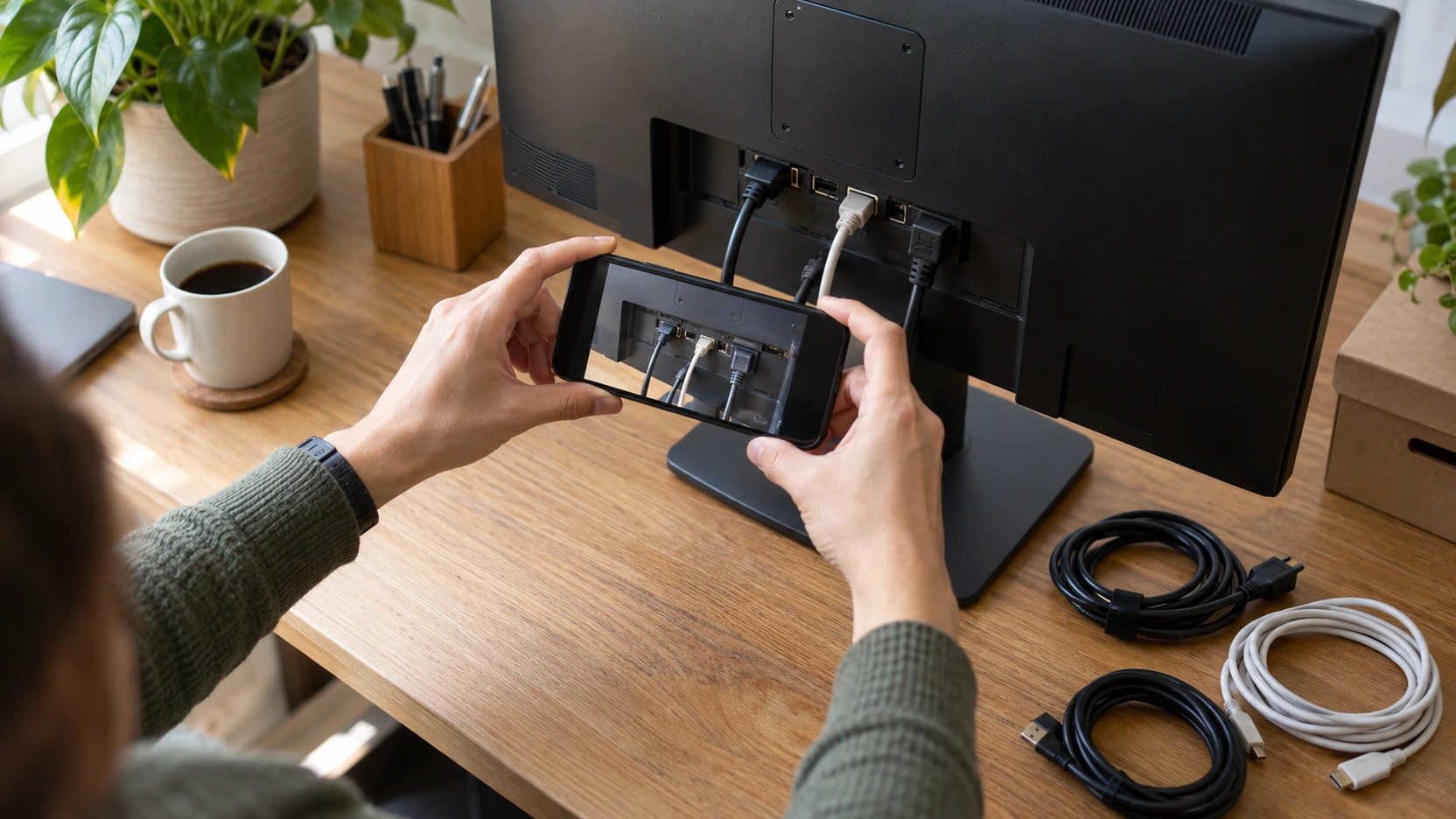
Follow the manufacturer’s transport instructions for televisions and monitors. Protect screens from pressure and avoid placing loose accessories against them.
Keep passwords, identification documents, and essential work records with you. A clearly labeled “office” box helps with delivery, but it may still take time to find a particular document after unloading.
7. Finish Bathrooms and Children’s Rooms in Stages
In bathrooms, pack spare towels and unopened toiletries first. Keep a small wash bag available until you leave.
Close lids securely and contain accepted liquids separately so a leak is less likely to spread to other belongings. Don’t pack damp towels or wet shower accessories with dry contents.
Keep medication accessible and follow its storage instructions. Anything requiring temperature control needs its own plan.
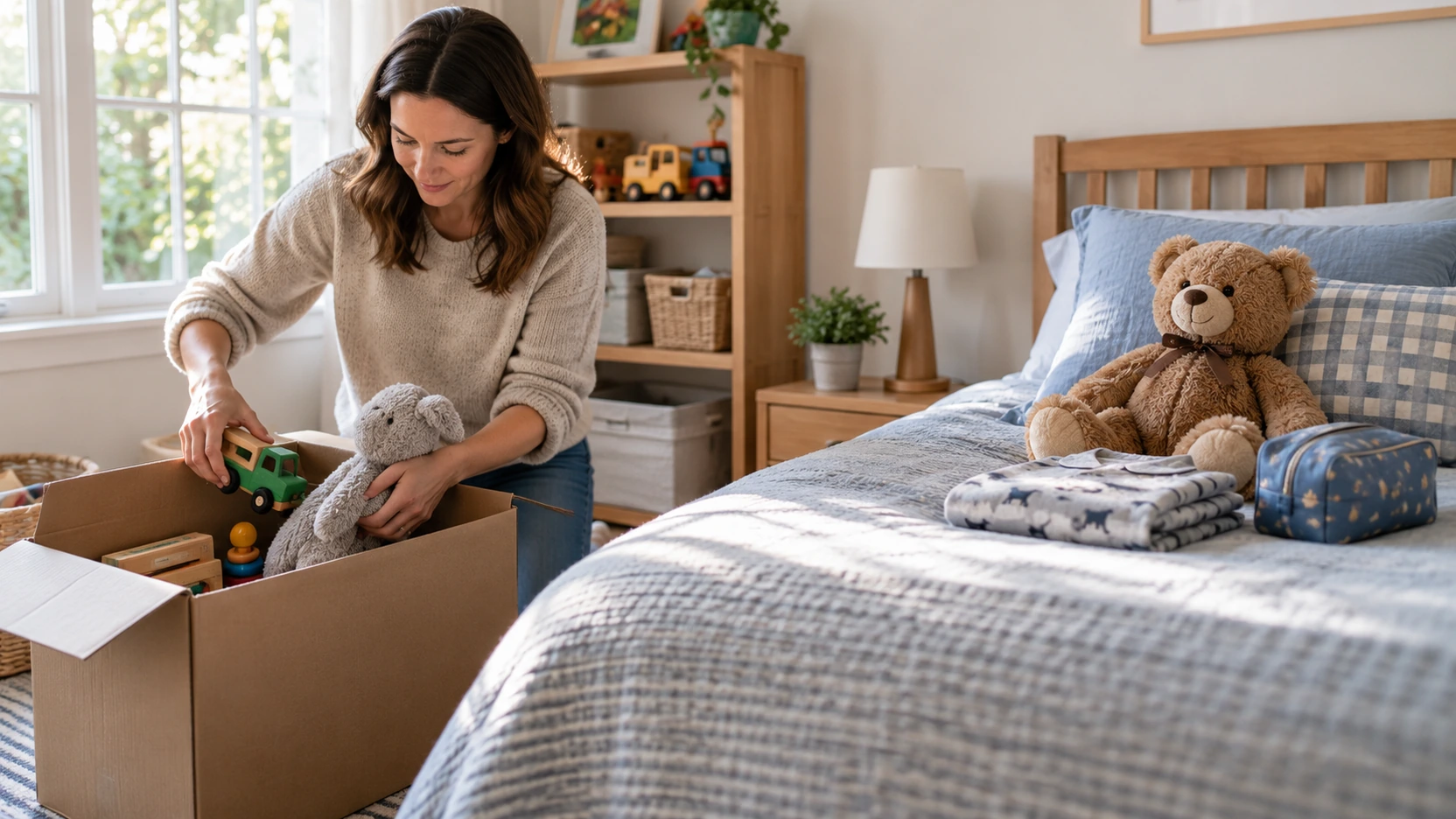
For children’s rooms, pack toys that aren’t currently in use before touching bedtime favorites. Keep a familiar toy, a change of clothes, and immediate care supplies together. Label boxes for the child’s destination room rather than simply writing “toys.”
8. Check Garage and Storage Items Before Boxing Them
Garages, utility cupboards, and storage areas deserve an early inspection because some contents may require separate arrangements.
Ask your mover for its current restricted-item list before packing fuels, paints, solvents, pesticides, gas cylinders, or batteries. Acceptance and preparation requirements vary by item and carrier.
Keep products in their original labeled containers while you determine what to do with them. Don’t conceal questionable items inside an ordinary household carton.
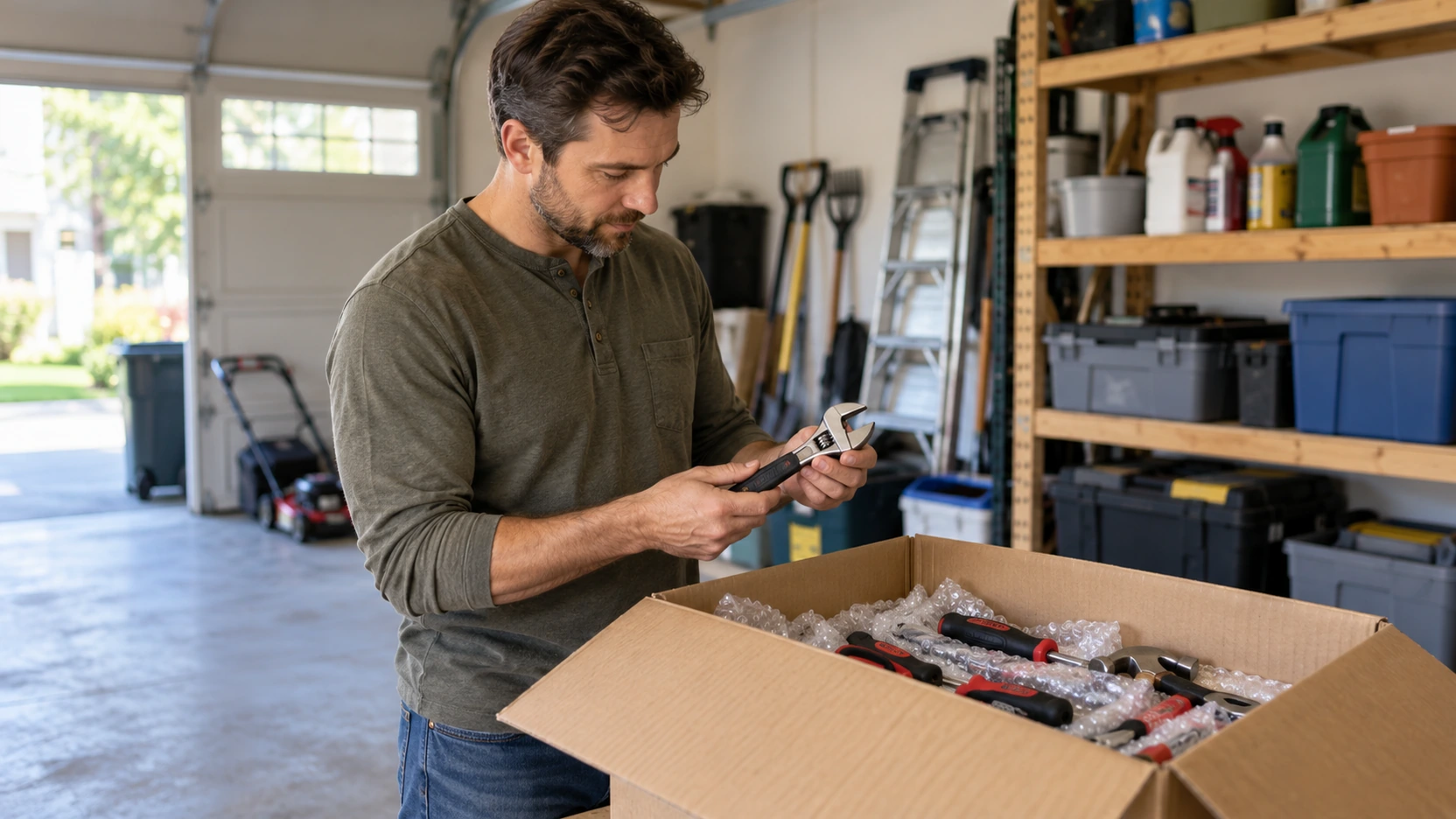
For accepted tools, protect sharp edges and secure loose components. Follow equipment manufacturers’ preparation instructions. If something cannot travel with the mover, arrange an appropriate alternative or disposal route before loading begins.
9. Label for the New Home and Plan the Route Out
A useful label tells the crew where a box belongs and tells you what is inside.
Write the destination room and a short contents description on the top and a visible side. For example, “Bedroom: spare sheets” is more useful than “linens” if your new home has several bedrooms.
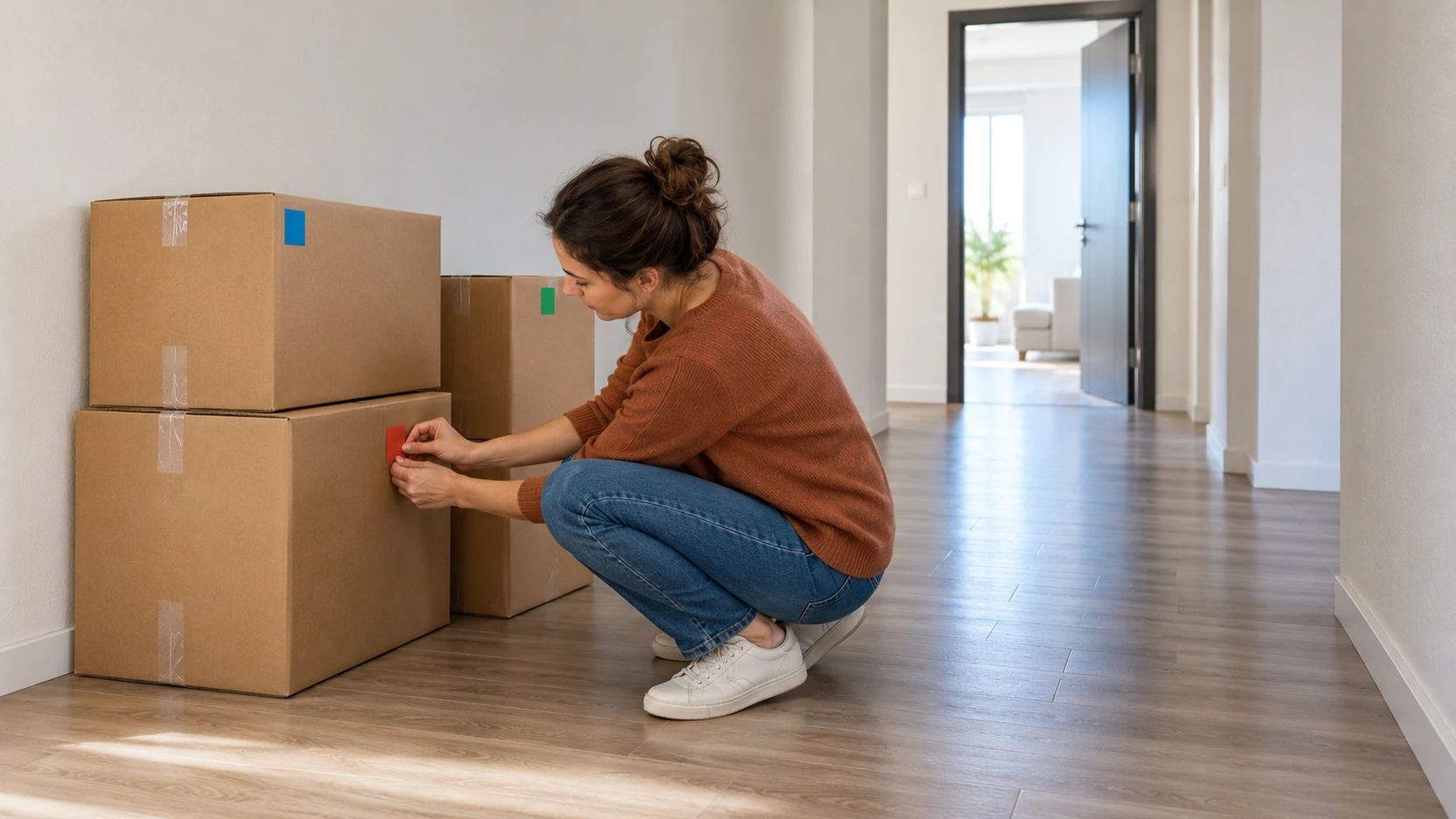
Mark boxes you need to open first. Keep private details and descriptions of valuable contents in a separate inventory rather than advertising them on the carton.
For an Arlington apartment or condo move, ask building management about elevator reservations, loading access, permitted moving hours, and any required documentation. Confirm arrangements at both addresses.
Share stairs, narrow hallways, and loading restrictions when arranging local moving services. Keep packed boxes clear of exits and walking routes while you finish.
10. Decide Where Professional Packing Would Help
You don’t have to choose between packing everything yourself and handing over the entire home.
Restorify Moving’s professional packing services include full-home and partial packing options. Partial packing lets you identify particular rooms or categories for help while preparing other belongings yourself.
Before arranging service, clarify:
- Which rooms and items need packing.
- Who supplies the materials.
- Whether anything requires special packaging.
- Who handles furniture disassembly and appliance preparation.
- What must be ready before the packing crew arrives.
Describe fragile or awkward items individually. “Kitchen contents” may not communicate that you have a large glass serving piece requiring separate attention.
11. Set Aside What Must Stay With You
Before loading begins, separate anything that should remain accessible:
- Identification, keys, and important documents.
- Medication and personal care supplies.
- Phones, chargers, and essential work equipment.
- Clothes, towels, and bedding for the first night.
- Immediate supplies for children and pets.
Use a clearly marked area for belongings that must not go on the truck, and point it out to the crew.
Then check cupboards, drawers, closets, and storage spaces. Confirm that boxes close securely, labels are visible, and no unpacked items remain except those you intentionally set aside.
If you need help with packing or the move itself, share your addresses, access details, and the items you want packed when you Request a Free Moving Quote.